

Educational Information
& all ingredients:
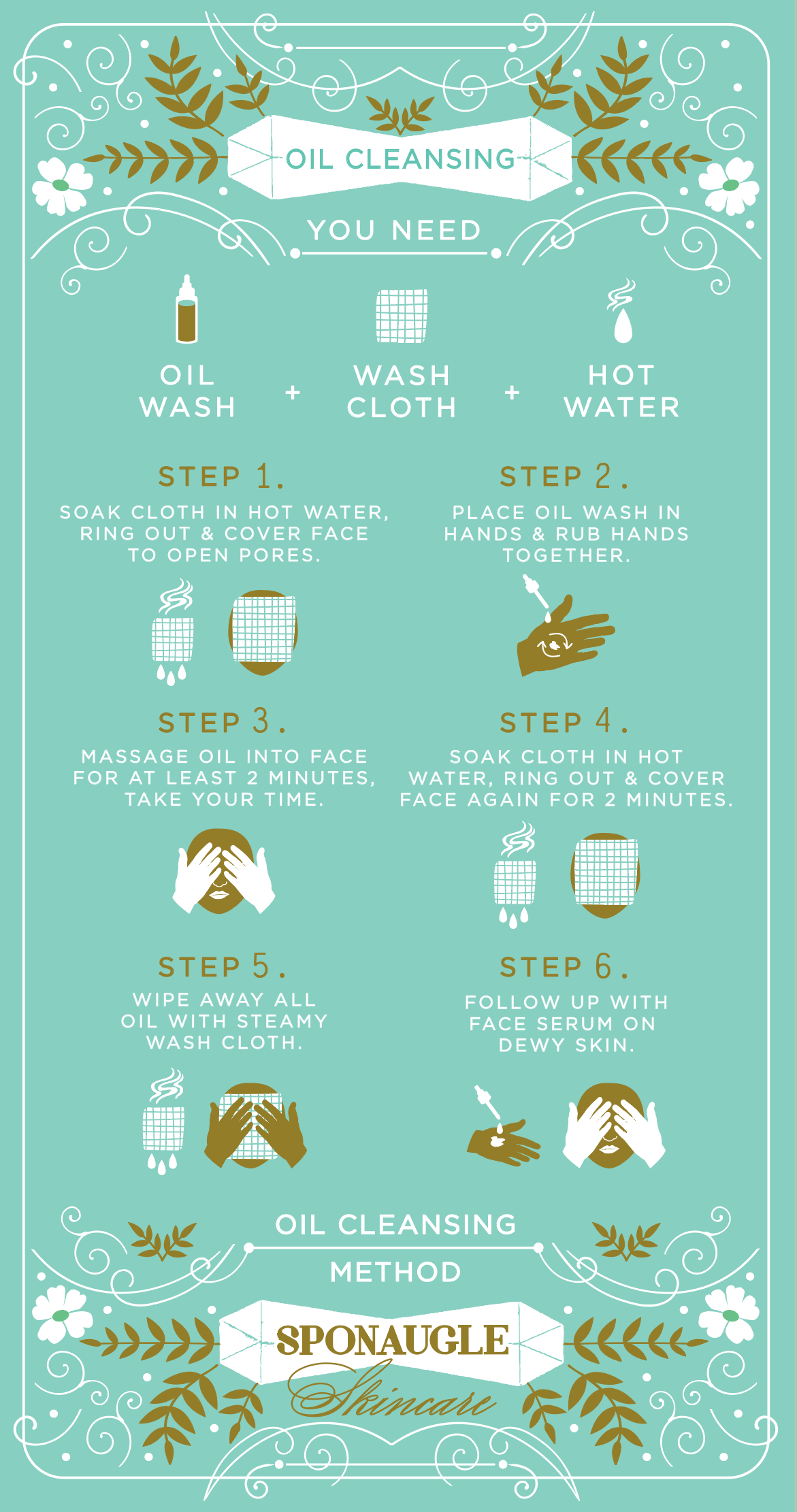
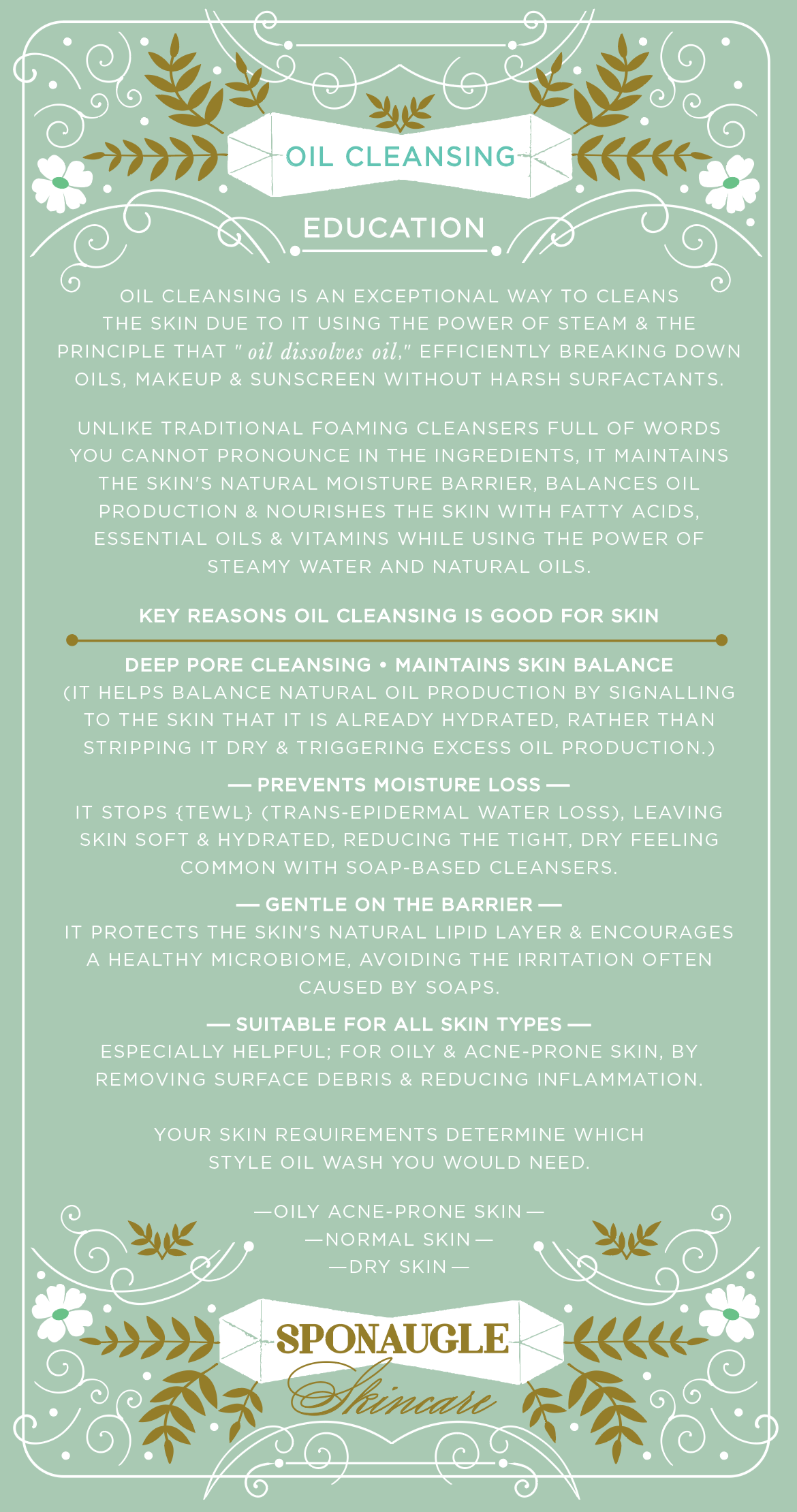
-
Avocado Oil {Persea gratissima} : is a highly valued botanical lipid recognized in dermatological and nutritional science for its unique composition of fatty acids and bioactive compounds. The oil is a potent source of fat-soluble vitamins, specifically vitamins A, D, and E. Its anti-inflammatory properties are often cited in the treatment of symptoms associated with psoriasis and eczema, where it helps to soothe irritation and reduce the transepidermal water loss that often exacerbates these conditions
-
Bay Leaf {Laurus nobilis} Essential Oil : Offering several benefits for skin health, primarily due to its astringent, antimicrobial, and antioxidant properties. Its astringent nature helps to cleanse the skin, potentially keeping it looking bright and youthful, while its ability to combat certain bacterial and fungal strains can assist in managing skin conditions and minor irritations. Furthermore, the oil has been traditionally utilized in poultices for its potential to support wound healing and soothe inflammatory issues like rheumatism, though it should always be diluted with a carrier oil before topical application to avoid irritation.
-
Bergamot {Citrus bergamia} Essential Oil : Offering significant benefits for skin health due to its unique chemical composition, which includes compounds such as linalool, limonene, and various flavonoids. These constituents provide natural antibacterial and anti-inflammatory properties, making the oil effective for managing breakout-prone or oily skin by balancing sebum production and calming redness. Additionally, its antioxidant content helps brighten dull complexions and may assist in fading the appearance of dark spots or post-blemish marks over time. When properly diluted in a carrier oil or integrated into formulated skincare products, it serves as a gentle, soothing treatment for minor skin irritations and blemishes.
-
Carrot Seed {Daucus carota L.} Essential Oil : A potent botanical ingredient highly valued in skincare for its rich concentration of antioxidants, including beta-carotene, vitamin A, and vitamin E. These compounds work synergistically to neutralize free radicals, thereby protecting the skin from environmental stressors and premature aging. Furthermore, the oil’s anti-inflammatory and moisturizing properties help soothe irritated skin, improve elasticity, and promote a more even skin tone by supporting cell turnover and collagen production. While it offers protective benefits, it should always be diluted with a carrier oil before topical application and used in conjunction with, rather than as a replacement for, broad-spectrum sunscreen.
-
Cedarwood {Cedrus atlantica} Essential Oil : The application of the oil is often recommended for individuals struggling with oily skin or acne-prone conditions. The oil acts as a natural astringent, which helps in regulating sebum production—the skin's natural oil—thereby preventing the clogging of pores that often leads to breakouts. Furthermore, its antibacterial properties assist in neutralizing surface bacteria that can exacerbate inflammatory skin conditions.
-
Chamomile {Matricaria chamomilla} Essential Oil : This essential oil is highly valued in skincare primarily due to its high concentration of chamazulene and alpha-bisabolol, compounds that are widely recognized in pharmacognosy for their potent anti-inflammatory and soothing properties. Frequently employed to address conditions characterized by redness and irritation. The sesquiterpenes found within the oil, particularly alpha-bisabolol, are documented to inhibit the pro-inflammatory pathways, including the inhibition of leukotriene and prostaglandin synthesis. This makes it a common additive in topical formulations intended for sensitive skin, dermatitis, and minor epidermal abrasions. Furthermore, the oil is noted for its mild antimicrobial activity, which, while not a replacement for medical-grade antibiotics, provides a supportive role in maintaining a healthy skin microbiome. While clinical evidence in human trials remains an area of ongoing investigation, historical and anecdotal use suggests that the oil helps to calm reactive skin, reduce the appearance of hyperpigmentation associated with chronic inflammation, and provide a protective barrier against environmental stressors.
-
Clary Sage {Salvia sclarea} Essential Oil : Soothes irritated skin and balance sebum production, making it a valuable addition for those with oily or combination skin types. Beyond its regulatory effects on oil production, clary sage is often cited in botanical literature for its potential to support skin rejuvenation. Its natural antioxidant properties help combat oxidative stress, which is a primary contributor to premature skin aging.
-
Evening Primrose {Oenothera biennis} Carrier Oil : Derived from the seeds of Oenothera biennis, is highly valued in skincare for its rich concentration of essential fatty acids, particularly gamma-linolenic acid (GLA) and linoleic acid. These components provide significant anti-inflammatory benefits that help soothe reactive skin, reduce redness, and support the integrity of the skin barrier. By enhancing moisture retention and reducing transepidermal water loss, the oil effectively softens and hydrates dry or mature skin, promoting a more supple and resilient complexion. While its anti-inflammatory properties are often cited for potential use in managing conditions like eczema and acne, it is generally recognized for providing comfort and nourishment to stressed or dehydrated skin types.
-
Frankincense {Boswellia carterii} Essential Oil : The primary skincare benefits of Boswellia carterii are rooted in its capacity for cellular rejuvenation. Research indicates that frankincense oil can improve skin elasticity and reduce the appearance of fine lines and wrinkles, making it a frequent inclusion in anti-aging formulations. By supporting the skin's natural barrier function, the oil helps to cleanse pores and minimize the visibility of blemishes.
-
Grapeseed {Vitis vinifera L.} Carrier Oil : Highly valued in dermatology for its rich concentration of linoleic acid and potent polyphenolic antioxidants, such as proanthocyanidins. These components work synergistically to reinforce the skin's lipid barrier, effectively reducing transepidermal water loss and maintaining optimal hydration levels. Furthermore, its anti-inflammatory and non-comedogenic properties make it an excellent therapeutic agent for soothing irritated skin and managing acne-prone complexions without clogging pores. By neutralizing free radicals generated by environmental stressors like UV radiation and pollution, grapeseed oil helps mitigate oxidative stress, thereby slowing the visible signs of premature aging. Its lightweight texture allows for rapid absorption, facilitating the delivery of vitamin E and other essential fatty acids directly into the epidermis to promote skin elasticity and a smoother, more radiant texture.
-
Geranium {Pelargonium graveolens} Essential Oil: Its therapeutic profile is primarily defined by its complex chemical composition, which includes high concentrations of citronellol, geraniol, and linalool. frequently cited in dermatological literature for its ability to regulate sebum production, making it a versatile choice for both oily and sensitive skin types. Its antimicrobial properties, which stem from the disruption of bacterial cell membranes, have been documented in various studies as a natural method for skin purification and the management of minor topical irritations. Beyond its physical applications, the oil is widely recognized in aromatherapy texts for its influence on the endocrine and nervous systems. By interacting with neurotransmitter pathways, such as the GABAergic system, geranium oil is believed to assist in the modulation of cortisol levels, thereby helping to alleviate symptoms of stress and tension. Furthermore, it is frequently employed to support hormonal balance, particularly in the context of managing menstrual discomfort and mood fluctuations.
-
Jojoba {Simmondsia chinensis} Carrier Oil : Highly valued in dermatology for its unique molecular structure, which closely mimics human sebum, allowing it to moisturize the skin without clogging pores. Rich in natural vitamin E, phytosterols, and antioxidants, it functions as an effective anti-inflammatory agent that promotes wound healing and helps soothe conditions such as acne, eczema, and psoriasis. Furthermore, clinical research indicates that topical application of jojoba wax can enhance the synthesis of pro-collagen and hyaluronic acid, thereby supporting skin barrier function, reducing oxidative stress, and potentially mitigating signs of aging. The chemical composition of jojoba wax, primarily composed of long-chain fatty esters, provides a protective, non-irritating barrier that regulates sebum production. Because it is a stable, hypoallergenic botanical substance, it is frequently utilized as a carrier oil or a standalone treatment for dry, flaking, or sun-damaged skin. Its ability to reduce pro-inflammatory cytokines, such as IL-6 and TNF α, underscores its efficacy in managing localized skin inflammation.
-
Petitgrain {Citrus aurantium} Essential Oil : Derived from the leaves and twigs of the Citrus aurantium tree, offers significant dermatological benefits due to its natural anti-inflammatory, antibacterial, and antifungal properties. It acts as an effective skin tonic that helps regulate sebum production, making it particularly beneficial for balancing oily or acne-prone skin while simultaneously minimizing the appearance of pores. Furthermore, its astringent and antioxidant-rich profile assists in soothing irritated or red skin, improving overall skin elasticity, and promoting a clearer, more radiant complexion.
-
Helichrysum {Helichrysum italicum} Essential Oil : Often referred to as "Immortelle" or "Everlasting," is highly valued in skincare for its potent anti-inflammatory, antioxidant, and cell-regenerating properties. Its unique biochemical profile, rich in esters like neryl acetate and diketones, makes it an exceptional agent for soothing irritated or environmentally stressed skin, reducing the appearance of redness, and supporting tissue repair. Frequently utilized in anti-aging formulations, the oil is recognized for its ability to inhibit enzymes that contribute to skin sagging and wrinkle formation, while simultaneously promoting a more radiant, even-toned, and supple complexion. Because of its gentle, non-greasy nature, it is suitable for various skin types and is commonly applied to help diminish the appearance of blemishes, scars, and bruises.
-
Lavender {Lavandula angustifolia} Essential Oil : Possesses significant antimicrobial and anti-inflammatory properties, making it a staple in dermatological applications for minor burns, insect bites, and acne. The oil’s ability to inhibit the growth of various bacterial strains is attributed to its complex chemical profile, which disrupts microbial cell membranes.
-
Lemon {Citrus limon} Essential Oil : Contains high concentrations of vitamin C and citric acid, which can provide skin benefits such as exfoliation and antioxidant protection. The citric acid acts as an alpha hydroxy acid (AHA) to help break down dead skin cells, potentially improving the appearance of acne, blackheads, and oily skin. Additionally, the antioxidant properties of vitamin C assist in neutralizing free radicals and supporting collagen synthesis, which is essential for maintaining skin structure and elasticity.
-
Myrrh {Commiphora myrrha,} Essential Oil : has been utilized for centuries in traditional medicine and skincare for its potent therapeutic properties. In modern dermatological applications, myrrh is highly valued for its astringent, antiseptic, and anti-inflammatory capabilities, which help soothe irritated skin and promote the healing of minor wounds or blemishes. Its high concentration of antioxidants helps combat oxidative stress, potentially aiding in the reduction of fine lines and supporting overall skin rejuvenation. Furthermore, myrrh acts as a natural humectant, assisting in the retention of moisture to improve skin elasticity and texture, making it an effective ingredient for dry or mature skin formulations.The efficacy of myrrh in skincare is largely attributed to its complex chemical composition, which includes sesquiterpenes and various volatile oils that exhibit antimicrobial activity. These compounds work synergistically to cleanse the skin surface, reduce the appearance of redness, and provide a protective barrier against environmental pollutants. When incorporated into topical oils or balms, myrrh is often favored for its ability to calm inflammatory conditions such as eczema or acne, while simultaneously providing a soothing, aromatic experience that enhances the user's overall wellness routine.
-
Jasmin {Jasminum sambac} Essential Oils : Valued for its complex chemical profile, which includes constituents such as linalool, benzyl acetate, and indole. These compounds contribute to the oil’s reputation for supporting skin health, particularly in the management of dry, sensitive, or mature skin types. Its therapeutic application is primarily centered on its ability to soothe inflammation and provide a protective barrier against environmental stressors. The skincare benefits of Jasminum sambac are largely attributed to its emollient properties and its high concentration of antioxidants. In dermatological literature, jasmine oil is frequently cited for its capacity to improve skin elasticity and promote a balanced complexion. Because the oil is rich in phytochemicals that possess antimicrobial and anti-inflammatory properties, it is often utilized in formulations intended to calm irritated skin and reduce the appearance of redness.
-
Prickly Pear Seed {Opuntia ficus-indica} Carrier Oil : Highly potent skincare ingredient prized for its exceptional concentration of essential fatty acids, particularly linoleic acid, and vitamin E. These components work synergistically to deeply hydrate the skin, strengthen the natural moisture barrier, and provide robust antioxidant protection against environmental stressors like UV radiation and pollution. Its anti-inflammatory and antibacterial properties make it particularly effective for soothing sensitive or acne-prone skin, while its ability to stimulate collagen production and promote cell turnover helps to minimize the appearance of fine lines, wrinkles, and hyperpigmentation, resulting in a more radiant and youthful complexion.The efficacy of Opuntia ficus-indica is rooted in its unique biochemical profile, which includes high levels of tocopherols (vitamin E) and phytosterols. Research indicates that the oil’s high linoleic acid content—often exceeding that of other popular botanical oils—is crucial for maintaining skin barrier integrity and preventing transepidermal water loss (TEWL). Furthermore, the presence of phenolic compounds provides significant anti-oxidative benefits, which help neutralize free radicals that contribute to premature aging. Because of its lightweight texture, it is suitable for all skin types, including oily and combination skin, as it absorbs efficiently without clogging pores.
-
Rose {Rose rubiginosa} Essential Oil : The primary benefits of myrrh in skincare stem from its ability to soothe irritated tissue and promote skin rejuvenation. Its astringent properties help to tighten the skin and reduce the appearance of fine lines and wrinkles, while its antimicrobial nature makes it useful in managing acne and minor skin sores.
-
Rosehip Seed Oil {Rosa canina}: has been recognized for centuries as a potent botanical agent in dermatology and traditional medicine. Prized for its high concentration of essential fatty acids and bioactive compounds that support skin barrier function and cellular regeneration. Includes a sophisticated profile of polyunsaturated fatty acids, specifically linoleic acid (omega-6) and alpha-linolenic acid (omega-3), which are collectively referred to as "Vitamin F." Containing significant levels of oleic acid and palmitic acid, which contribute to its emollient properties, allowing it to penetrate the epidermis effectively without leaving an excessively greasy residue.
-
Rosemary {Rosmarinus officinalis L.} Essential Oil : Offering significant dermatological benefits primarily due to its potent antioxidant and anti-inflammatory properties. Its active compounds, such as rosmarinic acid and phenolic diterpenes like carnosic acid and carnosol, help protect skin cells from oxidative stress caused by environmental pollutants and ultraviolet radiation, which are primary drivers of photoaging. Furthermore, rosemary acts as a natural astringent that aids in clearing pores and balancing sebum production, making it effective for managing acne-related inflammation and improving overall skin tone. Additionally, research suggests that these compounds can stimulate collagen biosynthesis, thereby enhancing skin elasticity and firmness, while also providing soothing relief for dry, itchy scalp conditions.
-
Sandalwood {Santalum album} Essential Oil : Highly regarded for its anti-inflammatory and antimicrobial properties. Research indicates that the oil can effectively soothe irritated or inflamed skin, making it a valuable treatment for conditions characterized by redness or sensitivity. The antimicrobial nature of the oil assists in managing acne-prone skin by inhibiting the growth of bacteria that contribute to breakouts. Furthermore, its high concentration of santalols contributes to its antioxidant capacity, which helps neutralize free radicals, thereby potentially slowing the visible signs of aging and supporting overall skin health. Beyond its direct physiological effects, the oil is frequently utilized in topical formulations for its ability to hydrate the skin and provide a calming, sensorial experience that reduces stress-related skin manifestations.
-
Sea Buckthorn {Hippophae rhamnoides} Carrier Oil : Nutrient-dense botanical powerhouse widely recognized in dermatological science for its ability to rejuvenate and protect the skin. Its unique composition, which includes high concentrations of vitamins A, C, and E, alongside essential omega-3, -6, and -9 fatty acids, allows it to effectively strengthen the skin’s natural barrier, lock in moisture, and combat oxidative stress caused by environmental pollutants. Beyond its moisturizing capabilities, sea buckthorn is prized for its anti-inflammatory and regenerative properties, which help soothe irritation, reduce redness, and promote collagen production to diminish the appearance of fine lines and hyperpigmentation.The plant’s efficacy is attributed to its complex profile of over 190 bioactive compounds, which work synergistically to improve skin elasticity and overall radiance. While it is generally suitable for all skin types—particularly those suffering from dryness, sensitivity, or signs of aging—its high content of oleic acid suggests that individuals with acne-prone skin should exercise caution. Because of its potent antioxidant profile, sea buckthorn is frequently utilized in serums, oils, and restorative balms to support long-term skin health and repair.
-
Tamanu {Calophyllum inophyllum} Carrier Oil : Derived from the seeds of Calophyllum inophyllum, is a potent botanical oil valued in skincare for its rich fatty acid profile and therapeutic properties. It acts as an effective moisturizer that helps maintain the skin barrier, while its high concentration of antioxidants combats free radical damage associated with premature aging. Furthermore, the oil possesses documented anti-inflammatory, antibacterial, and antifungal properties, making it a popular natural remedy for soothing eczema, reducing the appearance of scars, promoting wound healing, and managing acne-prone skin. It is celebrated for its ability to stimulate collagen production and provide potential protection against UV-induced damage, it is important to note that it is a nut-derived oil and may cause allergic reactions in sensitive individuals. Because it is not regulated as a medical treatment, it should be used with caution, and a patch test is recommended before widespread application.
-
Tea Tree {Melaleuca alternifolia} Essential Oil : Highly valued in dermatology for its potent antimicrobial, anti-inflammatory, and antiseptic properties. It is widely utilized to manage acne vulgaris by reducing bacterial activity on the skin and is often considered a natural alternative to conventional treatments like benzoyl peroxide, frequently with fewer side effects. Beyond blemish control, the oil helps soothe skin irritations, such as contact dermatitis and insect bites, while its antioxidant profile assists in protecting the skin from free radical damage. When used in appropriate dilutions, it effectively supports skin health without compromising the natural protective barrier, making it a versatile ingredient for treating minor cuts, scrapes, and fungal conditions like athlete’s foot.
-
Ylang Ylang {Cananga odorata var. genuina} Essential Oil : By balancing the skin's natural oil secretions, Ylang Ylang helps to mitigate the appearance of excessive shine while simultaneously providing hydration to areas that may be prone to dryness. Its chemical composition also imparts significant soothing properties, which are frequently utilized to calm skin irritation and reduce the appearance of redness. Furthermore, the oil functions as a natural antioxidant, providing a protective barrier against environmental stressors and free radicals that contribute to premature skin aging and dullness.
-
Witch hazel {Hamamelis virginiana} : Widely recognized in dermatological practice for its potent astringent, anti-inflammatory, and antioxidant properties, primarily attributed to its high concentration of tannins, flavonoids, and phenolic acids. When applied topically, these bioactive compounds help soothe irritated skin, reduce inflammation, and minimize the appearance of pores by causing tissues to contract. Furthermore, its antimicrobial activity supports the management of acne-prone skin by inhibiting bacterial growth, while its ability to promote tissue regeneration and protect against environmental stressors makes it a valuable ingredient for addressing conditions such as eczema, psoriasis, minor wounds, and scalp sensitivity.